

If your car battery keeps going flat, the battery itself is not always the problem. Common causes include an ageing battery that can no longer hold charge, an alternator or charging-system fault, electrical equipment draining power while the car is switched off, frequent short trips, long periods without driving, or lights and accessories being left on.
If the problem keeps happening, repeatedly charging or replacing the battery without identifying the cause may only provide a temporary solution.
In this guide, the Power Crank team explains why car batteries keep going flat, what different symptoms can mean, and when it may actually be time for a replacement battery.
Why Does My Car Battery Keep Going Flat?
A car battery supplies the electrical power needed to start your engine and support the vehicle's electrical systems. Once the engine is running, the vehicle's charging system should replenish the energy used during starting.
If the battery is losing more energy than it receives, cannot hold the energy being supplied to it, or is not being properly recharged, you can eventually end up with a flat battery.
The most common causes include:
- an old or deteriorating battery
- an alternator or charging-system problem
- parasitic electrical drain while the vehicle is switched off
- frequent short trips
- leaving the vehicle unused for extended periods
- lights or accessories being left on
- loose, dirty or corroded battery connections
- an unsuitable battery being fitted to the vehicle
Flat Battery Symptoms: What Could Be Causing It?
When and how your battery goes flat can provide useful clues about what may be happening.
| What You're Experiencing | Possible Cause | What to Check |
|---|---|---|
| Battery goes flat overnight | Electrical or parasitic drain, ageing battery or something left on | Accessories, lights, battery condition and electrical system |
| Battery goes flat after several days parked | Battery deterioration, electrical drain or extended inactivity | Battery condition and vehicle standby electrical load |
| Battery struggles after lots of short trips | Battery may not be receiving enough recharge time | Driving pattern, battery condition and charging system |
| New battery keeps going flat | Charging-system fault, electrical drain, usage pattern or incorrect battery | Alternator, electrical system and battery specification |
| Engine cranks slowly, especially when cold | Weak or ageing battery, poor connections or another starting-system issue | Battery condition, terminals and starting system |
| Battery warning light appears while driving | Possible charging-system problem | Have the vehicle's charging system inspected |
This table is a starting point rather than a diagnosis. Several faults can produce similar symptoms, which is why proper battery and charging-system testing can be important.
The Most Common Reasons a Car Battery Keeps Going Flat
1. Your Battery Is Old or No Longer Holding Charge
Car batteries do not last forever. As a starting battery ages, its ability to store energy and provide the current required to start the engine can gradually deteriorate.
An ageing battery may appear to recharge normally but lose charge more quickly than it once did. You might also notice slower engine cranking, particularly first thing in the morning or during colder weather.
If your battery repeatedly goes flat despite the vehicle being used normally and the charging system operating correctly, the battery itself may need to be tested.
If testing confirms that replacement is required, you can browse Power Crank's car battery range or use the Power Crank Battery Finder to find a battery suited to your vehicle.
2. Your Alternator or Charging System Is Not Recharging the Battery
Your battery uses a significant amount of energy to start the engine. Once the engine is running, the vehicle's charging system is responsible for replenishing that energy and supplying the vehicle's electrical requirements.
If the alternator or another part of the charging system is not operating correctly, the battery may gradually discharge even while you drive.
Possible warning signs of a charging-system problem can include:
- a battery or charging warning light on the dashboard
- repeated flat batteries despite regular driving
- electrical systems behaving unusually
- a recently replaced battery becoming discharged again
If you suspect a charging-system problem, replacing the battery alone may not solve it. The charging system should also be checked.
3. Something Is Draining the Battery While the Car Is Off
Modern vehicles continue to use a small amount of electrical power after the engine is switched off. Systems such as security equipment, vehicle computers and keyless-entry systems may remain active.
Normally, this standby consumption should not flatten a healthy battery over a normal parking period.
A parasitic battery drain occurs when an electrical component or circuit continues drawing more power than it should while the vehicle is parked.
Potential sources can include:
- interior, glovebox or boot lights that remain on
- aftermarket electrical accessories
- dash cameras
- audio equipment
- faulty switches, modules or relays
- other electrical faults
Finding an abnormal parasitic draw can require electrical testing, particularly on modern vehicles with complex electronics.
4. You Mostly Drive Short Trips
Frequent short trips can contribute to a battery remaining undercharged.
Every engine start takes energy from the battery. If the vehicle is repeatedly started and only driven for short periods, the charging system may not always have sufficient opportunity to replenish the energy used, particularly when the battery is already partially discharged.
Electrical demands such as headlights, demisters, heating, air conditioning, infotainment and other accessories can add to the vehicle's power requirements.
Over time, repeated undercharging can contribute to battery problems.
5. Your Car Sits Unused for Long Periods
A car does not necessarily stop using electricity simply because it is parked.
Modern vehicles can continue powering systems such as alarms, computers and remote-entry equipment while switched off. At the same time, batteries naturally lose some charge while sitting.
If a vehicle is left unused for an extended period, particularly with an older or partially charged battery, there may eventually be insufficient power remaining to start the engine.
Vehicles that are only used occasionally may benefit from appropriate battery maintenance. Always use a charger or maintainer that is suitable for the battery type and follow the equipment manufacturer's instructions.
6. Lights or Accessories Have Been Left On
Sometimes the explanation is simple.
Headlights, interior lights or accessories left operating while the engine is switched off can discharge the battery.
Many modern vehicles automatically switch lights and accessories off, but this protection varies between vehicles and does not prevent every possible electrical drain.
If the battery goes flat once after something was accidentally left operating, charging and testing the battery may be all that is required. If it continues happening without an obvious cause, further investigation is worthwhile.
7. Battery Terminals or Connections Are Poor
The battery relies on clean, secure electrical connections to deliver starting current and receive charge.
Loose, dirty or corroded terminals can interfere with the electrical connection between the battery and vehicle.
Possible signs include:
- intermittent starting problems
- slow or inconsistent cranking
- visible corrosion around battery terminals
- loose battery connections
If you are not confident inspecting or working around a vehicle battery, have it checked professionally.
8. The Wrong Battery Has Been Fitted
Modern vehicles can have very specific battery requirements.
Battery selection is not simply about finding a battery that physically fits. Depending on the vehicle, specifications can include:
- Cold Cranking Amps (CCA)
- battery capacity
- physical dimensions
- terminal orientation
- AGM, EFB or conventional battery technology
- stop/start compatibility
- vehicle battery-management requirements
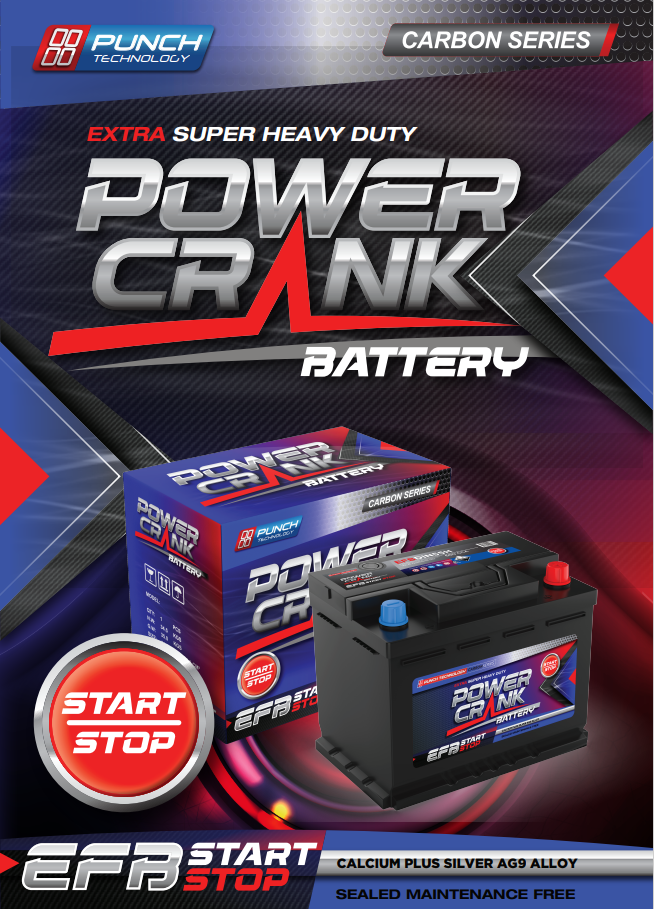
This is particularly important for vehicles fitted with stop/start technology. Depending on the vehicle manufacturer's requirements, these vehicles may require a specialised Stop/Start AGM battery or Stop/Start EFB battery.
If you are unsure about AGM technology more generally, you can also read our guide: Can I Replace an AGM Battery With a Lithium Battery?
If you are replacing your battery, use the Power Crank Battery Finder to identify battery options matched to your vehicle rather than choosing based on physical size alone.
Why Does My Car Battery Keep Going Flat Overnight?
If a charged battery repeatedly becomes flat overnight, an abnormal electrical drain is one possible cause that should be investigated.
Start with the simple things. Make sure the headlights, interior lights, glovebox light, boot light and accessories have switched off correctly.
Also consider any aftermarket electrical equipment installed in the vehicle, including:
- dash cameras
- GPS trackers
- audio equipment
- alarms
- phone chargers
- other accessories connected to permanent power
However, an overnight flat battery does not automatically prove that the vehicle has a parasitic drain. An ageing battery with reduced capacity may also struggle to retain enough energy to reliably start the vehicle.
If the cause is not obvious, the battery should be tested first. If the battery is healthy, the vehicle may require a parasitic-draw or electrical-system test.
Why Does My New Car Battery Keep Going Flat?
If a new car battery keeps going flat, do not automatically assume you need another new battery.
A replacement battery can still become discharged if the underlying cause was never the original battery.
Possible causes include:
- the alternator or charging system is not charging correctly
- there is an abnormal electrical drain
- the vehicle is being used mainly for short trips
- the vehicle sits unused for extended periods
- the replacement battery is not the correct specification
- there is another electrical or starting-system problem
If both the previous battery and the replacement battery experience the same problem, investigating the vehicle and charging system is generally more useful than simply replacing the battery again.
Can Short Trips Cause a Car Battery to Go Flat?
Yes. Repeated short trips can contribute to a car battery remaining undercharged.
Starting the engine takes energy from the battery. The charging system then needs to replenish that energy while the engine is running.
If your routine involves repeatedly starting the car, driving only a short distance and switching it off again, the battery may not always recover the energy used during starting.
The effect can become more noticeable when:
- the battery is already ageing
- the weather is cold
- the vehicle has high electrical demand
- the battery begins each trip partially discharged
- the vehicle spends significant periods parked between trips
If your driving pattern consists almost entirely of short trips and the battery repeatedly becomes discharged, have the battery and charging system checked.
Why Does My Car Battery Go Flat When Parked for a Few Days?
If your car starts normally when used every day but struggles after being parked for several days, there are a few possible explanations.
The battery may be ageing and have reduced storage capacity, the vehicle may have an excessive standby electrical load, or an accessory may be drawing power while the vehicle is parked.
Longer periods without driving can expose a battery that is already weak or partially charged.
If a healthy battery becomes significantly discharged after only a relatively short parking period, further testing of the battery and vehicle electrical system may be required.
Is It the Battery or the Alternator?
A recurring flat battery can be caused by either the battery itself or the system responsible for charging it.
A failing battery may no longer store enough energy or provide sufficient starting performance even when it has been properly charged.
A charging-system problem means a healthy battery may not receive enough charge while the vehicle is running.
Some symptoms can provide clues, but they should not be treated as a definitive diagnosis.
| Symptom | What It Could Suggest |
|---|---|
| Slow cranking after the car sits | Weak battery, low state of charge or poor connections |
| Battery repeatedly needs charging | Battery deterioration, undercharging or electrical drain |
| Battery warning light while driving | Possible charging-system problem |
| New battery also becomes flat | Charging, electrical, usage or fitment problem should be investigated |
| Vehicle starts after charging but soon becomes flat again | Battery condition and charging system should both be tested |
The most reliable approach is to test both the battery and the vehicle's charging system rather than guessing from symptoms alone.
Does Cold Weather Make Car Batteries Go Flat?
Cold weather can expose weaknesses in a battery that may have seemed less obvious during warmer conditions.
Starting an engine in cold conditions can place greater demand on the battery, while battery performance is also affected by low temperatures.
This is one reason battery problems can become more noticeable during Australian winter, particularly in colder regions such as Tasmania and Victoria.
If you notice slower cranking on cold mornings, repeated starting difficulty or a battery that is already several years old, having it tested before it fails completely can help identify a developing problem.
Can a Dash Cam Drain a Car Battery?
Potentially, yes.
A dash camera operating while the vehicle is parked requires electrical power. How much impact it has depends on how the camera is installed, how long parking mode operates, the vehicle, the condition of the battery and whether appropriate low-voltage protection is used.
If your battery started going flat after installing a dash cam or another electrical accessory, mention that when having the vehicle tested.
What Should I Do If My Car Battery Keeps Going Flat?
If the problem keeps returning, use a process of elimination rather than immediately purchasing another battery.
- Look for an obvious cause. Check whether lights or accessories have been left operating.
- Inspect the battery. Look for loose connections, corrosion, visible damage or other obvious issues.
- Consider how the car is used. Frequent short trips or long periods parked can contribute to undercharging.
- Have the battery tested. This can help determine whether it can still hold charge and provide sufficient starting performance.
- Check the charging system. If the battery is healthy but repeatedly goes flat, the alternator or charging system may need investigation.
- Investigate electrical drain. If the battery goes flat while parked and no obvious cause is found, professional electrical diagnosis may be required.
The key point is that a flat battery is a symptom. Finding out why it became flat is often more important than simply charging or replacing it.
When Should I Replace My Car Battery?
Replacement may be appropriate when testing confirms the battery has deteriorated and can no longer reliably hold charge or provide the starting performance required by the vehicle.
Other warning signs can include increasingly slow cranking, repeated starting difficulty and a battery that regularly requires charging despite the rest of the vehicle operating correctly.
However, if a healthy or recently replaced battery keeps becoming discharged, investigate the vehicle's charging system, electrical loads and usage pattern before assuming the battery is faulty.
If you do need a replacement, browse Power Crank's car batteries or find the right battery for your vehicle.
How Can I Help Stop My Car Battery Going Flat?
Not every flat battery can be prevented, but good battery and vehicle habits can reduce avoidable problems.
- avoid leaving lights and accessories operating when the engine is off
- make sure battery terminals and connections are clean and secure
- do not ignore repeated slow cranking or difficult starting
- have the battery tested if it repeatedly becomes discharged
- have the charging system checked if a healthy battery keeps going flat
- be aware that frequent short trips can leave a battery undercharged
- use an appropriate battery charger or maintainer for vehicles stored for long periods
- fit the correct battery technology and specification for the vehicle
Battery requirements vary significantly between vehicles, especially newer vehicles with stop/start systems, battery monitoring and high electrical loads.
Frequently Asked Questions About Car Batteries Going Flat
Why does my car battery keep dying even though it is new?
A new battery can still go flat if the vehicle has an alternator or charging-system problem, abnormal electrical drain, frequent short-trip use, extended periods without driving or an incorrectly specified battery. If a new battery repeatedly becomes discharged, the rest of the vehicle should be checked rather than automatically replacing the battery again.
What causes a car battery to drain overnight?
Possible causes include lights or accessories remaining on, aftermarket equipment, an abnormal parasitic electrical draw or an ageing battery with reduced capacity. If the cause is not obvious, battery and electrical-system testing may be required.
Can a bad alternator cause a flat battery?
Yes. If the alternator or charging system does not properly replenish the battery while the engine is running, the battery can gradually lose charge and eventually become flat.
Can short trips flatten a car battery?
Frequent short trips can contribute to undercharging because starting the engine takes energy from the battery and the vehicle may not run long enough to fully replenish that energy before the next start.
Why does my battery go flat when the car is parked?
Vehicles continue to use some electrical power while parked. An older or partially charged battery may eventually struggle after sitting, while an excessive standby electrical load or parasitic drain can cause the battery to discharge more quickly.
Can a dash cam make my battery go flat?
Yes, particularly if the dash camera operates in parking mode and is connected to permanent power. The impact depends on the installation, battery condition and whether suitable low-voltage protection is used.
How do I know if I need a new battery?
Slow cranking, repeated starting difficulty and a battery that no longer holds charge can indicate deterioration, but proper testing is the best way to determine whether replacement is required.
Does my stop/start car need a special battery?
Many stop/start vehicles require a battery specifically designed for that system, commonly AGM or EFB depending on the vehicle manufacturer's requirements. Use the correct specified battery technology rather than replacing it with a conventional battery simply because it fits.
Find the Right Car Battery With Power Crank
If your battery keeps going flat, diagnosing the reason should come before simply replacing it.
If testing confirms that your battery has reached the end of its service life, Power Crank supplies a wide range of car batteries, including specialised Stop/Start AGM batteries and Stop/Start EFB batteries.
Use the Power Crank Battery Finder to find options suited to your vehicle.
Need help? Find your nearest Power Crank store and speak with the team about the right battery for your application.
Battery and charging-system requirements vary between vehicles. This guide provides general information only. Always follow the vehicle and battery manufacturer's specifications, and have electrical or charging-system faults inspected by a suitably qualified professional where required.